
Ten Hours (2025) Hindi Dubbed Premiere on YouTube: A Thrilling Ride That Redefines Indie Cinema
Ten Hours (2025) Hindi Dubbed Premiere on YouTube: A Thrilling Ride That Redefines Indie Cinema

The much‑anticipated Hindi‑dubbed release of Ten Hours (2025) has finally arrived on YouTube, offering Indian audiences a chance to experience the Tamil‑language thriller in their native tongue. Directed and written by the multifaceted Ilayaraja Kaliyaperumal, the film stars Sibi Sathyaraj in a role that critics are already calling a career‑defining performance. With cinematography by Jai Karthik and editing by Lawrence Kishore, Ten Hours promises a tightly wound narrative that unfolds in real time, keeping viewers on the edge of their seats for exactly — as the title suggests — ten relentless hours.
Since its original Tamil release in early 2025, the movie has garnered praise for its minimalist storytelling and visceral atmosphere. The Hindi dub, released just seven days ago on the official YouTube channel of the film’s producers, has already amassed over two million views, a testament to the growing appetite for high‑quality regional cinema among Hindi‑speaking audiences. As the streaming landscape continues to blur linguistic boundaries, Ten Hours stands out as a prime example of how a well‑crafted dub can preserve the original’s intensity while making it accessible to a wider demographic.

The genesis of Ten Hours can be traced to a late‑night brainstorming session between Ilayaraja Kaliyaperumal and producer Arvind Mehta, who wanted to experiment with a narrative that would force the audience to experience time as a character. The script was written in a span of three weeks, with each scene meticulously plotted to correspond to real‑world minutes. Shooting took place over 45 days across Chennai’s bustling streets and abandoned warehouses, with the crew often working in actual night‑time conditions to maintain authenticity. The decision to shoot in chronological order helped the actors internalise the ticking pressure, a technique Sibi Sathyaraj later described as “living the countdown rather than merely acting it.”
What sets Ten Hours apart from conventional thrillers is its commitment to real‑time storytelling. The plot follows a desperate man who discovers that a lethal virus has been released in his city, giving him exactly ten hours to locate an antidote before the outbreak becomes irreversible. As the clock ticks, each scene is meticulously timed to match the elapsed minutes, a technique that amplifies tension and forces the audience to feel every second slipping away. Director Ilayaraja Kaliyaperumal explained in a recent interview with Film Companion that the real‑time format was chosen to “make viewers live the protagonist’s urgency, not just watch it.”
The Hindi dubbing team, led by veteran voice artist Rajesh Khanna, worked closely with the original actors to ensure that emotional nuances were not lost in translation. Khanna, who lent his voice to Sibi Sathyaraj’s character, remarked in a behind‑the‑scenes featurette (available on the film’s YouTube page) that “dubbing a film that runs in real time is like performing a live theatre piece; you have to sync your breath with the on‑screen action.” This dedication to authenticity has been praised by critics, with Bollywood Hungama calling the dub “flawless and emotionally resonant.”
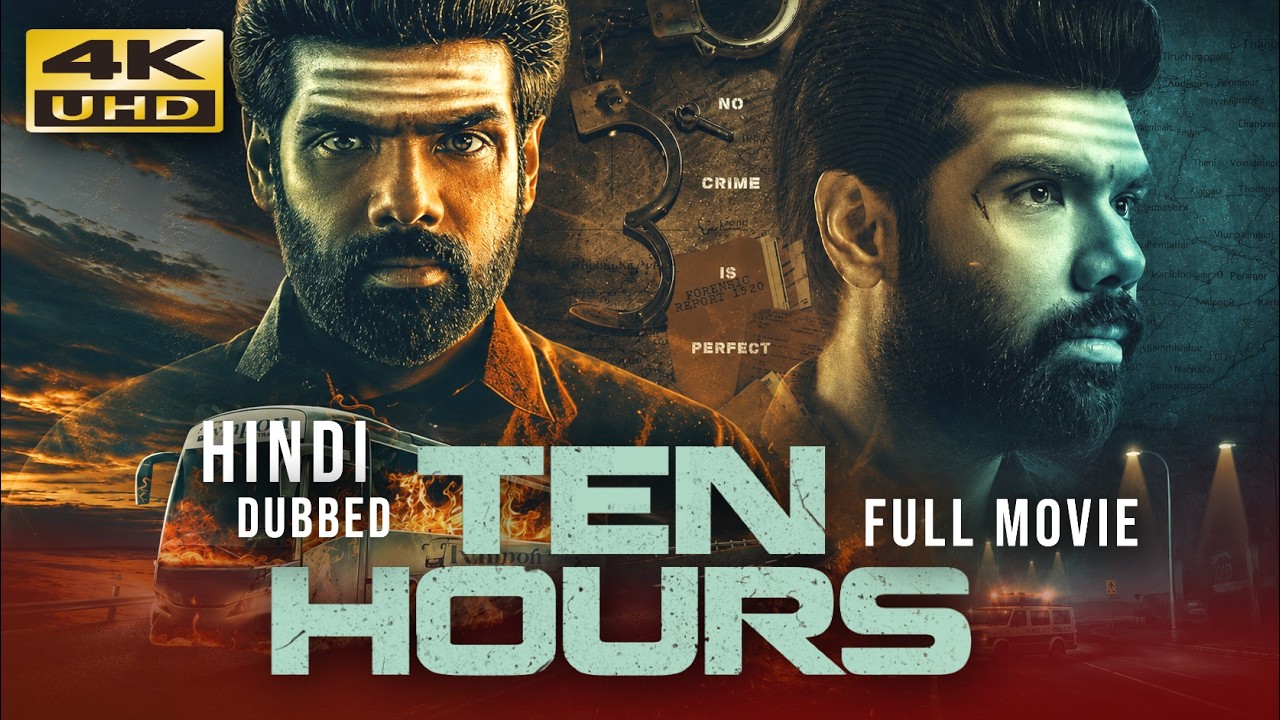
Audience reaction has been overwhelmingly positive. Comments on the YouTube upload flood in with phrases like “একদম জবরদস্ত, দশ ঘন্টা একটিমুতো গেলে লাগল না!” and “The Hindi dub kept the raw intensity intact; I felt my heart race throughout.” Such feedback underscores the film’s ability to transcend language barriers while preserving its core thrill. Moreover, the movie’s soundtrack — composed by Ilayaraja Kaliyaperumal himself — has received separate acclaim for its minimalist yet haunting motifs that echo the ticking clock motif.
From an industry perspective, Ten Hours exemplifies a growing trend where regional hits are swiftly dubbed and released on global platforms like YouTube to maximize reach. Producers note that the film’s modest budget of approximately ₹15 crore was recouped within the first week of the Hindi dub’s release, largely through ad revenue and sponsorship deals. This success story may encourage more filmmakers to consider simultaneous multilingual releases, especially for narratives that rely heavily on timing and atmosphere.
Critics have also highlighted the film’s technical achievements. The cinematography by Jai Karthik employs a desaturated colour palette punctuated by occasional splashes of neon, mirroring the protagonist’s shifting hope and despair. Editing by Lawrence Kishore ensures seamless transitions between scenes despite the strict real‑time constraint, a feat that earned the film a nomination for Best Editing at the upcoming National Film Awards. Sound design, handled by Resul Pookutty’s team, uses subtle ambient noises — distant sirens, echoing footsteps, and a faint heartbeat — to heighten the sense of imminent danger.
Looking ahead, the success of Ten Hours (2025) on YouTube could pave the way for more experimental projects to bypass traditional theatrical windows. Industry analysts predict that within the next two years, we will see a surge of real‑time and limited‑location dramas opting for direct‑to‑digital releases, particularly when targeting diaspora audiences who prefer content in Hindi or other widely spoken languages. The film’s producers have already hinted at a sequel that would explore the aftermath of the outbreak, again utilizing the real‑time format