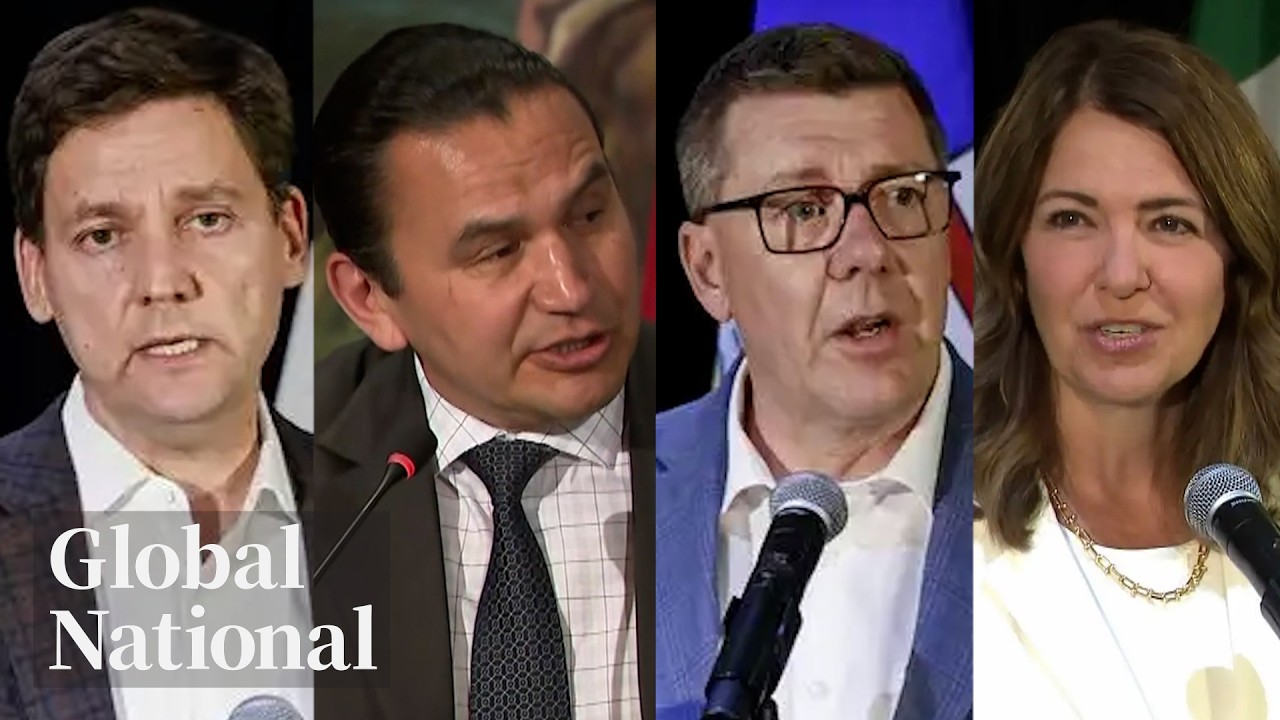
পশ্চিম প্রদেশের প্রধানমন্ত্রীরা মেলা শেষে তনাব visibly: আলবার্টা স্বাধীনতা আন্দোলনের নতুন ঢাল
পশ্চিম প্রদেশের প্রধানমন্ত্রীরা মেলা শেষে তনাব visibly: আলবার্টা স্বাধীনতা আন্দোলনের নতুন ঢাল

May 26, 2026 তারিখে এডমন্টনে পশ্চিম কানাডার চার প্রদেশের প্রধানমন্ত্রীরা — আলবার্টা, ساسکچewan, ম্যানিটোবা এবং ব্রিটিশ কলাম্বিয়া — একটি সম্মেলনে একত্রিত হয়েছিলেন। সabellা সম্মেলনের মূল উদ্দেশ্য ছিল fédérale বাজেটের répartition, খনिज সম্পদের ব্যবস্থাপনা এবং জলবায়ু নীতির সমন্বয়। তবে, মেলার শেষে স্পষ্টভাবে দেখা যায় যে আলবার্টা স্বাধীনতা আন্দোলনেরurgence tension-filled পরিবেশ তৈরি করেছে।
প্রতিনিধিদের মধ্যে আলবার্টা کے premier ড্যানielle سمیتھ (Danielle Smith) ने कहा कि “हमारे省の財政的自立は、オタワの一律政策では到底かなわない।” এই dénonciation এর সাথে ساسکچewan کے premier سكوت مو (Scott Moe) এবং مانیٹوبا کے premier وائن سروس (Wayne Sr.) ने भी समान सुर में बोलते हुए “westurn alienation” کا ज़िक्र किया। بریٹش קולمبیا کے premier دیوید ایبی (David Eby) نے však apne ب्यान میں fédéral 협력 की ضرورت बताते हुए कहा कि “الايک ecumenical approach only can保证我们的长期繁荣”。
Chronological Context: From Economic Grievances to Separatist Rhetoric
The roots of the current tension trace back to 2023, when Alberta’s oil‑bitumen sector faced a steep downturn due to global decarbonization pressures and a federal carbon‑price hike to CAD 80 per tonne. According to CBC Business, provincial revenues fell by 12 % year‑over‑year, prompting the Smith government to launch the “Alberta First” fiscal strategy in early 2024.
By late 2024, polls conducted by the Angus Reid Institute showed that support for Alberta sovereignty had risen from 9 % in 2022 to 18 % in 2024 (Angus Reid, 2024). The movement gained further momentum after the federal government’s 2025 decision to redirect a portion of Alberta’s equalization payments toward renewable‑energy projects in Atlantic Canada, a move perceived by many Albertans as an “economic penalty”.
In early 2026, the Alberta legislature passed the “Alberta Autonomy Act” (Bill 12), which asserted the province’s right to opt out of certain federal environmental regulations. Although the act was later challenged in the Federal Court, its passage signaled a hardening stance. The western premiers’ meeting on May 26 was thus framed as a last‑ditch effort to quell rising separatist sentiment before it could translate into a formal referendum.
Key Outcomes of the Premiers’ Meeting
- Federal‑Provincial Fiscal Framework: The premiers agreed to strike a working group to review the equalization formula, with a report due by October 2026. Alberta secured a concession that a temporary “resource‑revenue supplement” would be considered for provinces heavily reliant on non‑renewable extraction.
- Energy Policy Coordination: A joint statement committed to expanding inter‑provincial transmission lines to facilitate wind power exports from Saskatchewan and Manitoba to Alberta’s industrial corridors, aiming to balance economic diversification with emission targets.
- Constitutional Dialogue: While no concrete steps toward sovereignty were taken, the premiers acknowledged the need for a “constitutional refresher” to address regional grievances, proposing a first‑ministers’ conference later in the year.
- Public Communication Pact: Each premier pledged to improve transparency with citizens, launching a series of town‑hall meetings across the western provinces to explain federal‑provincial fiscal transfers.

Reactions and Implications
The meeting’s conclusion drew mixed responses. Alberta’s opposition NDP leader Rachel Notley warned that “flirting with separatism risks destabilizing the entire Canadian federation” (Global News, May 27, 2026). Conversely, the Alberta‑based advocacy group “Free Alberta” hailed the premiers’ acknowledgment of fiscal discontent as a “validation of long‑standing concerns” (Free Alberta Press Release, May 27, 2026).
Internationally, analysts at the Brookings Institution cautioned that a successful separatist push in Alberta could inspire similar movements in other resource‑rich regions worldwide, from Western Australia to Nigeria’s Niger Delta (Brookings, June 2026). Domestically, the Liberal government in Ottawa reiterated its commitment to “national unity” while opening back‑channel talks with Alberta’s finance ministry to address the equalization concerns raised at the meeting.
Looking Ahead
As the western provinces prepare for the upcoming provincial elections slated for late 2026, the issue of fiscal autonomy is expected to dominate campaign platforms. Premiers have agreed to reconvene in September 2026 to evaluate the progress of the fiscal working group and to assess whether further concessions can avert a escalation toward a formal sovereignty referendum.
For now, the tone in Edmonton remains cautiously optimistic — leaders speak of cooperation, yet undercurrents of dissatisfaction linger, reminding observers that the delicate balance between provincial aspirations and federal cohesion continues to test the resilience of Canada’s confederation.