২০২৬ সালের जंगल آگ outlook: কানাডা fédérale সরকারের নতুন নীতিমালা ও বিশ্বwijay পরिदrishy
২০২৬ সালের जंगल آگ outlook: কানাডা fédérale সরকারের নতুন নীতিমালা ও বিশ্বwijay পরिदrishy
| Global Politics & Current Affairs

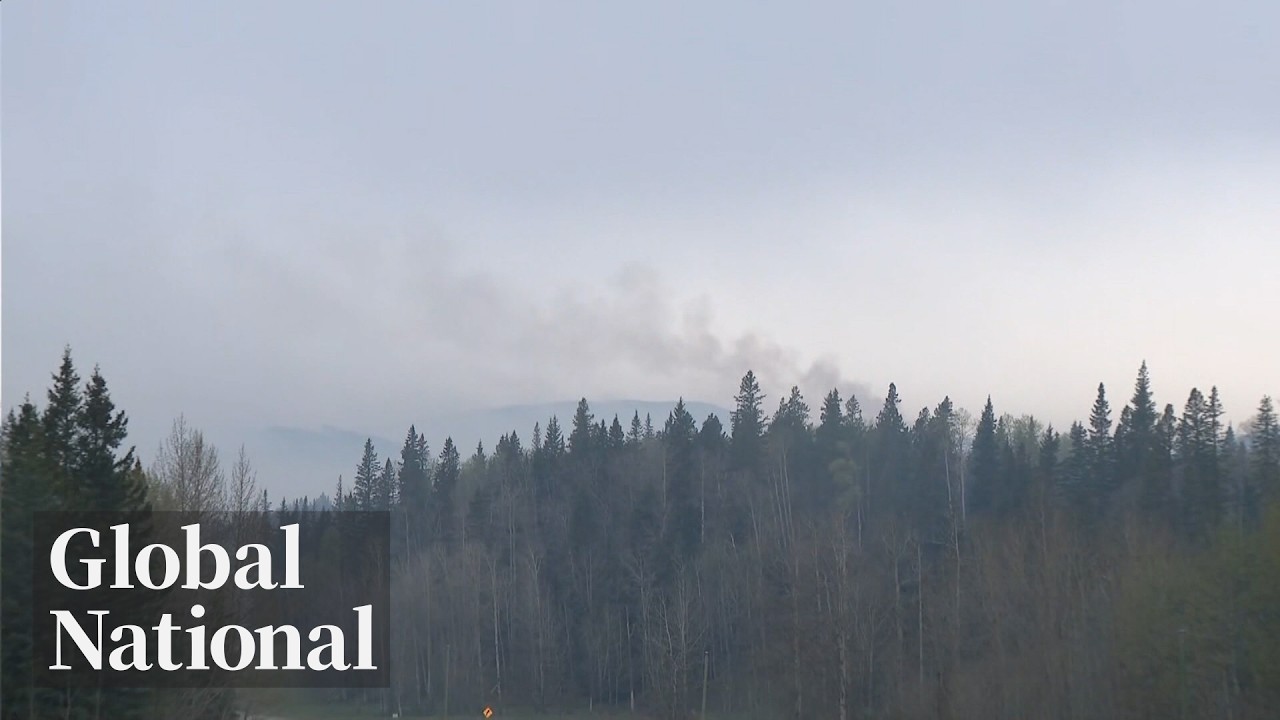
কানাডা fédérale সরকারের Natural Resources Canada দ্বারা প্রকাশিত 2026 wildfire outlook indicates a modest decrease in national fire‑danger indices compared with the record‑breaking 2023 season, yet regional hotspots persist in British Columbia, Alberta, and the Northwest Territories. The outlook, released via a Global News YouTube briefing on ২৮ মে, ২০২৬, blends satellite‑derived fuel moisture data, climate model projections, and Indigenous fire‑knowledge inputs.
Chronological context: From 2023 inferno to 2026 cautious optimism
২০২৩ সালে কানাডা ने ponad 1.8 crore হেক্টে জングল জলে, যা ইতিহাসের সবচেয়ে বড় একক আগুন ও ছিল। সেই বছর এরপর, ২০২৪ সালে মোট effected area ১.২ crore হেক্টে로 কমে গেল, যা bedre বৃষ্টি এবং আগুনের দ্রুত দमन 때문이었다। ২০২৫ সালে, however, a late‑spring drought in the Prairies pushed the national fire‑danger rating back above the 90th percentile in July, prompting emergency declarations in Saskatchewan and Manitoba.
এই পটভূমিতে, ২০২৬ outlook‑এ forecasterদের zufolge, El Niño‑likeconditions in the Pacific are expected to weaken by mid‑summer, allowing a return to near‑average precipitation across the boreal forest belt. Simultaneously, the federal government’s carbon‑pricing framework, expanded in ২০২৪ to include a forest‑sector offset credit, is projected to incentivize fuel‑reduction treatments on approximately 3.5 million hectares of Crown land.
Policy shifts and funding commitments
Outlook‑এর সঙ্গে সঙ্গে, federal cabinet approved a CAD 1.2 billion multi‑year wildfire resilience package (Budget ২০২৬‑২০২৯). Key components include:
- Expanded Indigenous Fire Stewardship grants – CAD 250 million over three years to support community‑led prescribed burning and fire‑monitoring crews.
- National Fire‑Smart Infrastructure standard – mandatory for all new federal buildings in high‑risk zones, effective ১ জানুয়ারি, ২০২৭.
- Enhanced aerial firefighting fleet – addition of ১২ next‑gen water‑scooping aircraft, contracted through RCAF and private partners.
These measures reflect a shift from reactive suppression to proactive risk reduction, aligning with the Sendai Framework for Disaster Risk Reduction commitments Canada renewed at the ২০২৫ UN Climate Summit.
Regional highlights and community impact

In British Columbia, the outlook predicts a ১৫ % reduction in area burned relative to ২০২৩, largely due to increased prescribed burning in the Cariboo region. Meanwhile, Alberta’s foothills remain a concern; the outlook flags a potential “late‑season surge” if August precipitation falls below ৭৫ % of normal. The Northwest Territories are expected to see near‑average fire activity, but thawing permafrost continues to alter fuel loads, a factor highlighted in the 2026 Permafrost Assessment.
Community leaders from the First Nations Firefighters Association welcomed the Indigenous stewardship funding, noting that “আমাদের پارम्पরিক آگ‑নিরोध জ্ঞান এখন সরকারি পরিকল্পনার অংশ হচ্ছে” – a sentiment echoed in several provincial press releases.
Global perspective and climate linkages
While Canada’s wildfire narrative is domestic, it intersects with global climate trends. The ২০২৬ outlook references the latest IPCC AR6 findings, which project a ১০‑২০ % increase in fire‑weather days across northern latitudes by ২০৫০ under high‑emission scenarios. Canada’s updated Nationally Determined Contribution (NDC), submitted to the UNFCCC in March ২০২৬, now includes a specific target to reduce wildfire‑related CO₂ emissions by ৩০ % relative to a ২০২০ baseline through enhanced fuel management.
Internationally, Canada collaborates with the United States and Mexico under the North American Fire Management Agreement, sharing real‑time satellite data via NASA’s FIRMS system. This trilateral cooperation was highlighted in the Global News video, where correspondent Lisa Mehra noted, “সাম্যже regionale সমন্বয়ই ২০২৬‑এর outlook‑এ আশার মূল ভিত্তি।”
Conclusion: Cautious optimism tempered by vigilance
The federal government’s ২০২৬ wildfire outlook presents a nuanced picture: modest national improvement driven by climate‑forecast shifts, substantial policy investment, and strengthened Indigenous partnership, yet persistent regional vulnerabilities demand continued vigilance. As the country approaches the peak fire season in July‑August, the effectiveness of the newly funded fuel‑reduction programs and the readiness of the expanded aerial fleet will be tested.
For readers seeking real‑time updates, the Global News channel offers a live‑stream embed below, and the official outlook dashboard is accessible via Natural Resources Canada’s FireChart portal.