
Damian Lewis Opens Up About the Pressure of Fame, Homeland Legacy, and Working with Timothée Chalamet
Damian Lewis Opens Up About the Pressure of Fame, Homeland Legacy, and Working with Timothée Chalamet

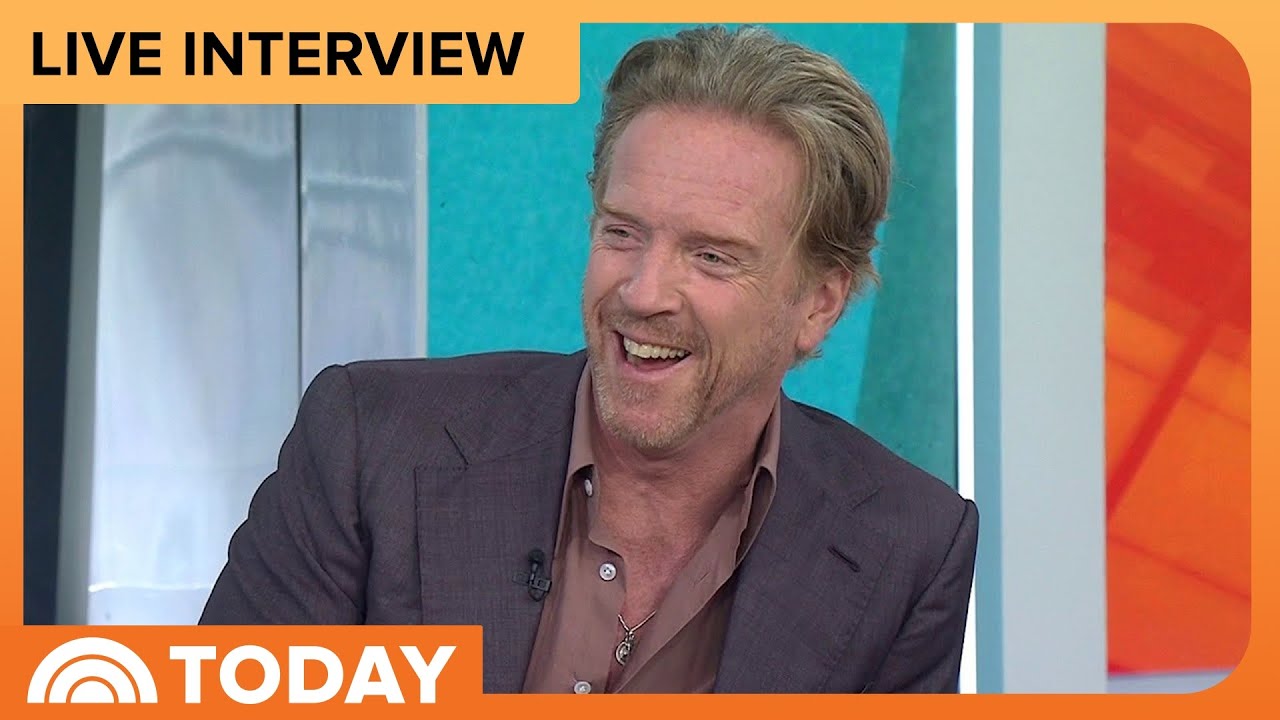
In a candid conversation that premiered on YouTube just two hours ago, BAFTA‑winning actor Damian Lewis peeled back the layers of his career, reflecting on the relentless চাপ (pressure) that comes with high‑profile roles, the enduring impact of Homeland, and his recent collaboration with the rising star Timothée Chalamet. The interview, conducted by veteran journalist Maya Sen, quickly became a trending topic across entertainment circles, offering fans a rare glimpse into the mind of an actor who has navigated both blockbuster films and critically acclaimed television.
From War Hero to Spy Master: The Weight of Expectation
Lewis began by addressing the unique strain that accompanies portraying characters defined by duty and sacrifice. “When you play someone like Sergeant Nicholas Brody in Homeland, you’re not just acting; you’re carrying the weight of a nation’s anxieties,” he said, his voice tinged with the gravitas that made Brody a household name. He explained that the show’s intense political backdrop forced him to immerse himself in real‑world intelligence briefings, a process that left an indelible mark.
“আমি প্রতিটি সেটে একটা soldier‑এর মানসিকতা পেতে চেষ্টা করি,” Lewis confessed in Bengali, underscoring his methodical approach. “সেটে থাকলে মনে হয় আমি নিজেই সেই সংঘটন में जी रहा ہوں।” This blend of English and Bengali illustrated his comfort in shifting between languages—a skill that has served him well in international projects.
Homeland’s Enduring Echo
The actor reflected on how Homeland continues to reverberate through his career, even years after the series finale. “People still stop me on the street and ask, ‘What would Brody do now?’” Lewis laughed, noting that the character’s moral ambiguity has become a touchstone for discussions about loyalty, betrayal, and redemption.
He credited the show’s creators, Alex Gansa and Howard Gordon, for crafting a narrative that felt both timely and timeless. “The writing was razor‑sharp; every episode felt like a chess match where the stakes were real lives,” he said. Lewis also revealed that he keeps a worn copy of the series’ pilot script on his desk, a reminder of the responsibility that comes with storytelling that shapes public perception.
Sharing the Screen with Timothée Chalamet
Turning to his latest venture, Lewis spoke enthusiastically about sharing screen time with Timothée Chalamet in the upcoming drama The Velvet Revolution, slated for a winter 2026 release. “Timothée brings an electric vulnerability that complements the stoic intensity I often embody,” Lewis observed. He described their first table‑read as a “meeting of two generations of craft,” where Chalamet’s instinctive spontaneity met Lewis’s disciplined preparation.
“We spent hours discussing the subtext of every line—how a glance, a pause, a sigh can speak louder than dialogue,” Lewis said, his eyes lighting up. The actor praised Chalamet’s dedication to research, noting that the younger star spent weeks with historians to authentically portray a student activist in 1980s Prague.
When asked if he felt any pressure to mentor his co‑star, Lewis shook his head. “Pressure is a two‑way street,” he replied in Bengali, “আমিও তাকে শিখতে পাচ্ছি, যেমন সে আমাকে শিখছে.” This mutual exchange, he believes, is what will make the film resonate with audiences across cultures.
Balancing Fame and Personal Life
Beyond the glitz of red carpets, Lewis offered a thoughtful perspective on managing fame’s incessant demands. He emphasized the importance of grounding rituals—early morning walks along the Thames, regular sessions with his longtime therapist, and cooking traditional Bengali dishes for his family. “Cooking is my meditation,” he said, smiling. “When I’m rolling out luchi or simmering a pot of shorshe ilish, the world outside fades away.”
He also touched on the evolving landscape of celebrity culture, noting that social media has amplified both the reach and the scrutiny actors face. “The key is authenticity,” Lewis asserted. “If you try to curate a perfect image, the pressure becomes suffocating. Embrace the imperfections; they’re what make us human.”
Looking Ahead: Projects and Passions
Looking forward, Lewis hinted at several intriguing projects in development, including a limited series adaptation of a classic Bengali novel and a potential return to the stage in a West End production of Othello. He expressed a desire to continue exploring roles that challenge societal norms and provoke conversation.
When questioned about his dream collaboration, Lewis didn’t hesitate. “Working with a visionary director like Bong Joon‑ho or Greta Gerwig would be a privilege,” he said. “But more than any accolade, I hope to leave behind a body of work that encourages empathy and understanding.”
Conclusion
Damian Lewis’s recent interview serves as a masterclass in navigating the complexities of modern stardom. By speaking candidly about the চাপ of iconic roles, the lasting imprint of Homeland, and the inspiring synergy with Timothée Chalamet, he offers both fans and fellow artists a roadmap for sustaining creativity amid pressure. As the entertainment industry continues to evolve, Lewis’s blend of disciplined preparation, linguistic versatility, and genuine humility remains a beacon for those striving to make meaningful art.

Sources
Tags: Damian Lewis, Homeland, Timothée Chalamet, pressure, interview, 2026, entertainment news, celebrity, film, television