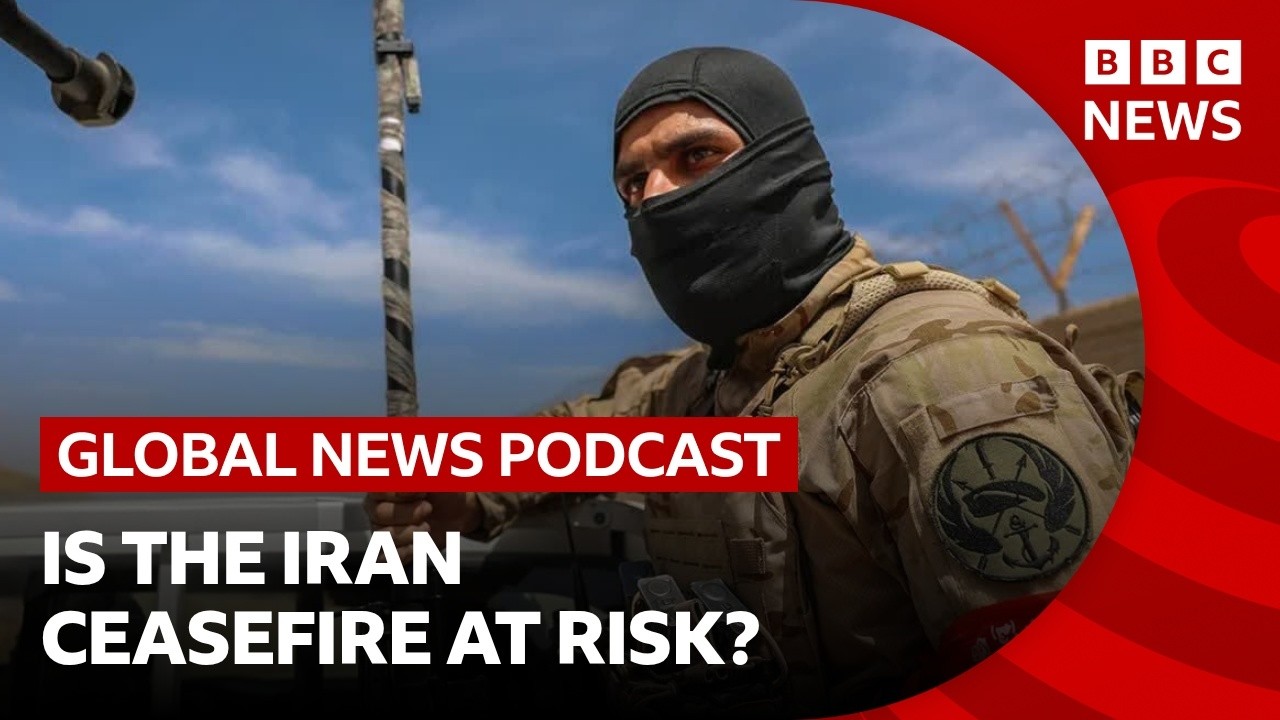
US‑Iran Ceasefire at a Crossroads: Fresh Strikes Threaten Fragile Truce
US‑Iran Ceasefire at a Crossroads: Fresh Strikes Threaten Fragile Truce

আমেরিকান সৈন্য ইরানীয় মিসাইল সাইটে নতুন হামলা করেছে, যা শান্তি वार्तার ভবিষ্যতে সন্দেহ জাগিয়েছে। This development comes just weeks after both sides signaled a tentative willingness to de‑escalate tensions that have simmered since the 2023 Gulf incident.
Background of the Ceasefire Talks
The current diplomatic channel emerged from back‑channel discussions facilitated by Oman in early 2025, following a series of proxy clashes in Yemen and Iraq. By late 2025, the United States and Iran had agreed to a temporary ceasefire covering naval operations in the Strait of Hormuz and a halt to cross‑border missile launches. The agreement, though not formally ratified, was upheld by both militaries for six months, leading to a noticeable reduction in incidents reported by the Reuters.
However, the ceasefire was always described as confidence‑building rather than a binding treaty. Analysts at the International Crisis Group warned that any unilateral military action could quickly unravel the arrangement (ICG, 2026).

Recent US Strikes and Iranian Response
On May 20, 2026, US Central Command announced precision strikes against three Iranian missile production facilities in the provinces of Khuzestan and Ilam. According to the Department of Defense, the targets were involved in the development of short‑range ballistic missiles deemed a threat to US forces in the region (DoD Press Release, May 20, 2026).
ইরানী Outside Ministry তৎক্ষণে প্রতিক্রিয়া জানায়, বলল “এমনیک útoক শান্তি वार्तার স্পষ্ট ভাঙন” এবং “প্রতিরোধক कार्रবাই” की चेतावनी दी। Iranian state television aired footage of anti‑aircraft batteries activating, while senior IRGC commanders vowed a proportional response.
Analysts note that the strikes coincided with a scheduled round of indirect talks in Doha, where negotiators were discussing confidence‑building measures such as hotline establishment and mutual notification of military exercises. The timing has led many to suspect either a strategic signal from Washington or a breakdown in intra‑agency coordination.
Implications for Regional Stability
The immediate effect has been a spike in maritime incidents. The UK Maritime Trade Operations (UKMTO) reported a 30% increase in suspicious vessel activity near the Strait of Hormuz within 48 hours of the strikes (UKMTO, May 2026). Insurance premiums for tankers transiting the route rose by approximately 12%, according to Lloyd’s of London.
Regionally, Israel and Saudi Arabia have expressed cautious optimism that the US action may deter Iranian aggression, while Qatar and Iraq urged restraint, fearing a broader escalation that could destabilize their own fragile political landscapes.
Energy markets reacted swiftly: Brent crude futures climbed to $86.40 per barrel on May 22, reflecting concerns over potential supply disruptions. The International Energy Agency (IEA) warned that prolonged hostilities could shave off 0.5% from global GDP growth in 2026 (IEA, May 2026).
International Reaction
European Union foreign policy chief Josep Borrell called for an “immediate de‑escalation” and offered to host emergency talks in Brussels (EEAS, May 21, 2026). Russia, maintaining its strategic partnership with Iran, denounced the strikes as a violation of sovereignty and urged the UN Security Council to convene an emergency session.
At the United Nations, the US ambassador argued that the action was “necessary to defend American personnel and allies,” while Iran’s envoy labeled it “an act of war” and demanded reparations. The Security Council remains deadlocked, with veto‑holding members split along traditional lines.
Outlook and Possible Pathways Forward
Diplomatic observers suggest three plausible scenarios:
- Rapid De‑Escalation: Both sides return to the negotiating table within weeks, possibly under renewed Omani mediation, agreeing to a revised ceasefire that includes stricter verification mechanisms.
- Prolonged Standoff: Sporadic exchanges continue, leading to a low‑intensity shadow conflict that keeps oil markets volatile but avoids full‑scale war.
- Escalation to Broader Conflict: Miscalculation or retaliatory strikes draw in regional actors, potentially triggering a wider confrontation involving proxy forces in Syria, Yemen, and Iraq.
The coming days will be critical. As senior fellow at the Brookings Institution, Vali Nasr, noted, “The window for salvaging the ceasefire is narrowing, but not yet closed. Concrete confidence‑building steps — such as a mutual moratorium on missile tests and the re‑activation of the direct military hotline — could still pull the backlash from the brink.” (Brookings, May 23, 2026)